
 en
en  English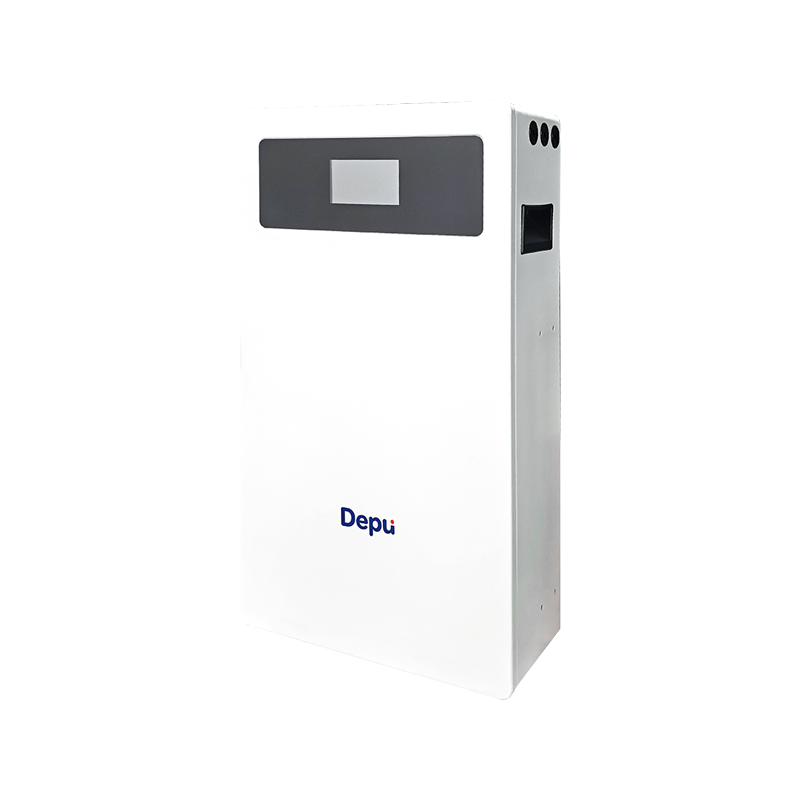
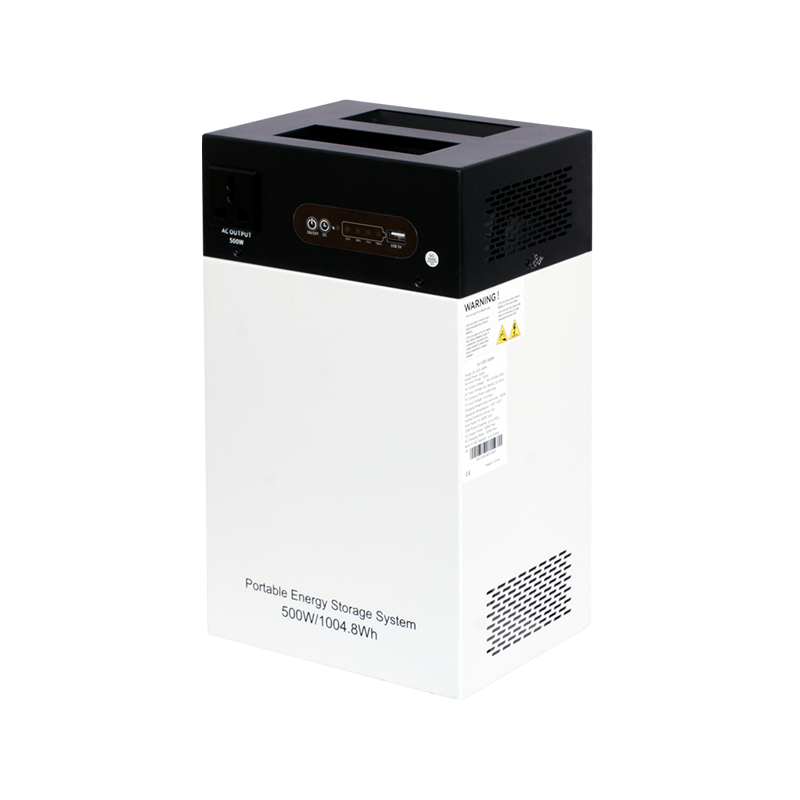
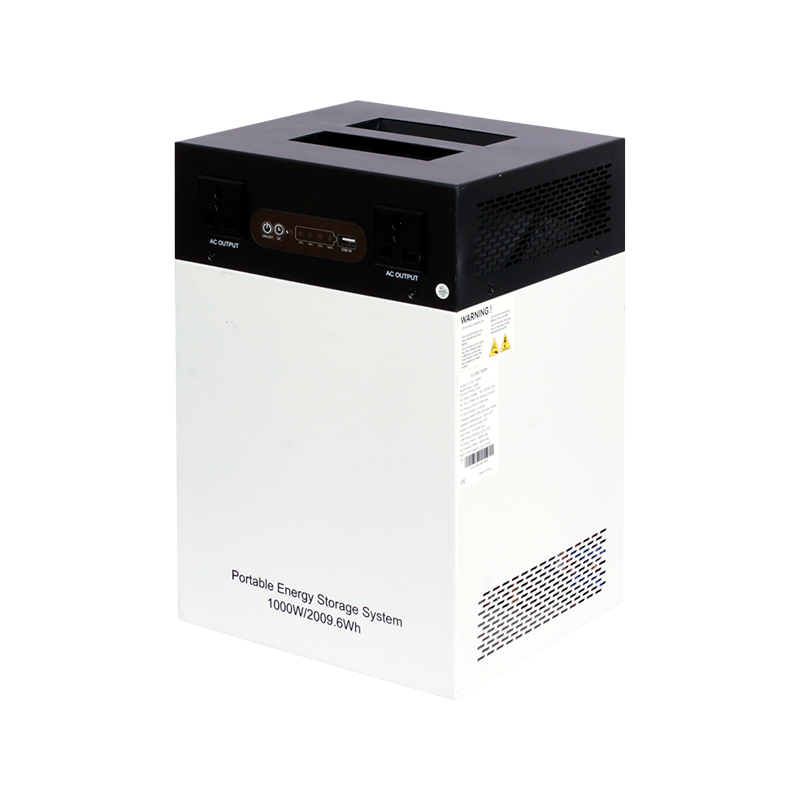
As residential energy storage systems become more prevalent, battery management system (BMS) technology has emerged as a key differentiator in product performance and lon...
READ MORE
BMS Technology Evolves – Smarter Battery Management Extends System Lifespan
2026-08-20
As residential energy storage systems become more prevalent, battery management system (BMS) technology has emerged as a key differentiator in product performance and longevity. Industry experts note that the BMS is no longer just a safety monitor – it is now the "brain" of the entire storage system, responsible for cell balancing, state-of-charge (SOC) estimation, state-of-health (SOH) prediction, and thermal management. Advances in artificial intelligence and machine learning are enabling predictive BMS that can anticipate cell degradation patterns and optimize charging/discharging strategies in real time, extending battery cycle life by up to 20%.
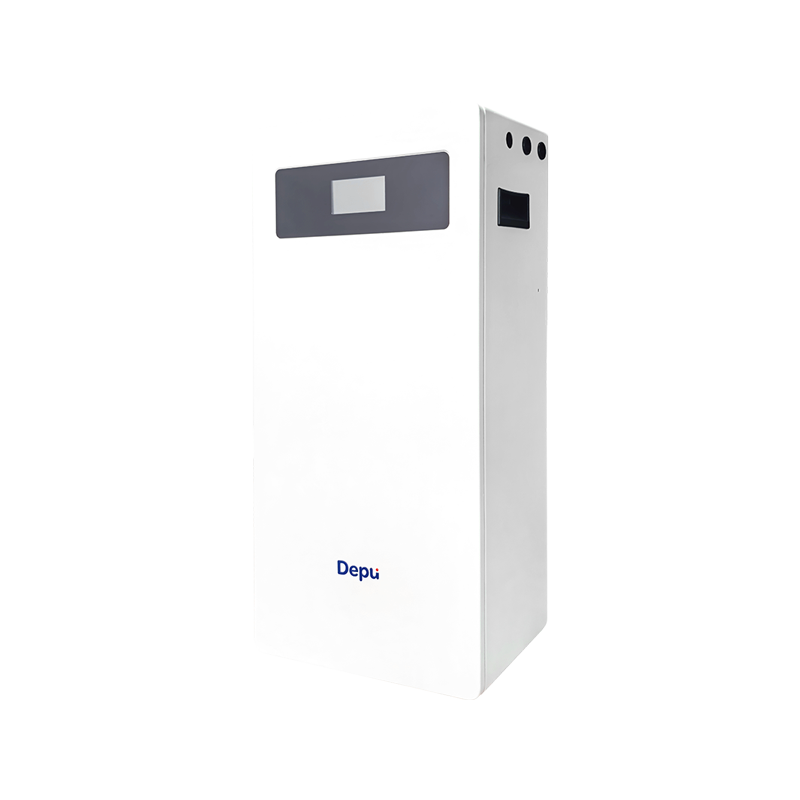
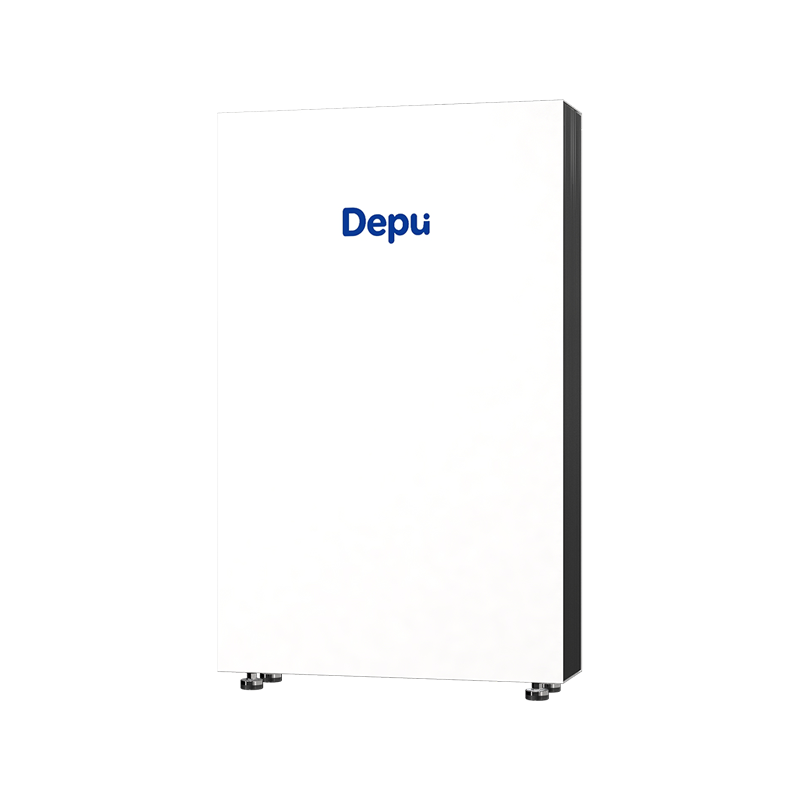
Another emerging trend is the shift toward cloud-connected BMS, which allows remote monitoring and data-driven maintenance. By continuously analyzing field performance data from thousands of installed systems, manufacturers can proactively identify potential issues before they lead to system failures, reducing downtime and service costs. This is particularly valuable for overseas markets where on-site technical support may be limited. Ningbo Depu New Energy Co., Ltd. has integrated advanced BMS technology into its full product lineup, including household storage battery cabinets and compact battery packs. The company's BMS features multi-layer protection against over-voltage, over-current, over-temperature, and short circuits, ensuring safe operation under all conditions. With accurate SOC and SOH algorithms, Depu's systems maximize usable capacity while preventing premature aging of battery cells. As the residential storage market continues to mature, Depu remains committed to advancing its BMS capabilities, delivering smarter, longer-lasting energy storage solutions that provide greater value to households worldwide.
Related products
News
-
-
The global residential energy storage market is entering a new growth cycle. Industry data shows that global residential storage shipments reached 35 GWh in 2025, up near...
READ MORE -
Since 2026, silicon carbide (SiC) technology has been rapidly penetrating the solar-storage application space. From string storage platforms to commercial storage cabinet...
READ MORE -
As distributed energy sources like solar and storage penetrate the grid at scale, inverters are evolving from simple power converters into critical assets for grid stabil...
READ MORE -
In recent years, residential energy storage products have undergone significant transformation. According to Intersolar Europe 2026, integrated stackable designs that com...
READ MORE
Location
No. 212-216, Sanbei Road, Jinzhu Village, Longshan Town, Cixi City, Zhejiang Province, China
Contact Details
- TEL: +86-574-63739600
- TEL: +86-574-63739608
- TEL: +86-574-63739611
- Email: export@cntoplighting.com
- Email: sales@cntoplighting.com
- Email: sales5@cntoplighting.com
Quicl Links
Product
Mobile Client
Copyright © Ningbo Depu New Energy Co., Ltd. All rights reserved.
